What We Are Building Next: ARECH LED Technology Notes
COB packaging down to P0.7, 7680 Hz refresh for broadcast and XR, 30% lower power than SMD — the LED display technology directions ARECH is advancing now.

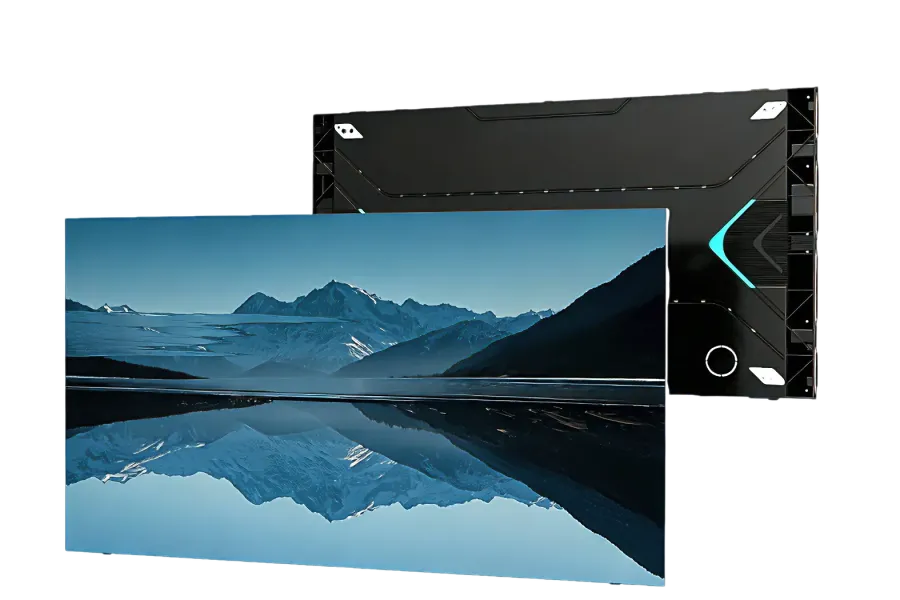
Three directions are shaping the next generation of ARECH screens: COB packaging that reaches down to P0.7, refresh rates up to 7680 Hz for on-camera and broadcast work, and power draw that runs 30% lower than comparable SMD panels. Here is what each one means in practice.
COB Packaging: Why It Changes Fine-Pitch Screens
Traditional SMD displays mount individual LED packages on the board surface, each one sitting exposed. COB takes a different approach: bare LED chips are bonded directly to the PCB substrate, then sealed under a single continuous layer of protective epoxy resin. The result is a smooth, lens-like front surface with no gaps between pixel packages.
That surface matters in several ways. It can be touched, wiped clean, or sprayed with water without damaging the electronics. Dust and moisture have nowhere to collect. On fine-pitch panels — P1.5 and below — the epoxy also removes the light-trapping that happens between adjacent SMD packages, which raises contrast without adding a filter or coating.
ARECH's COB indoor panels reach down to P0.7, with a range that includes P0.9, P1.2, P1.5, and P1.8. The HD wall range and fine-pitch indoor screens are where this packaging makes the most practical difference. For a deeper look at how COB compares to SMD structurally, see the COB vs SMD explainer on the blog.
High Refresh for On-Camera and Broadcast Work
A display looks fine to the human eye at 60 Hz. Cameras are different. At lower refresh rates, the camera's shutter and the screen's scan cycle go in and out of sync, producing visible bands or flicker in recorded footage.
ARECH COB panels support refresh rates of 3840 Hz and 7680 Hz. At those rates, the sync issue disappears: any practical camera shutter speed captures the full image cleanly, with no bands and no flicker. That makes them usable in broadcast studios, control rooms, extended reality (XR) stages, and digital production environments where the screen will be on camera regularly.
The viewing angle on these panels reaches up to 175 degrees, which means the image holds together even for viewers well off-axis in a studio or XR volume.
Power Efficiency and Thermal Management
Running large displays continuously is expensive. ARECH's COB panels use 30% less power than comparable SMD displays at the same brightness level. Over a year of continuous operation on a large installation, that is a material reduction in electricity cost.
The efficiency gain also means less heat. COB packaging gives heat a better path from the LED die directly into the PCB, which keeps operating temperatures lower over time. Lower heat means more stable colour output and longer panel life — both important for installations in control rooms or broadcast environments that run without scheduled downtime.
Serviceability: The Micro-Gear Locking System
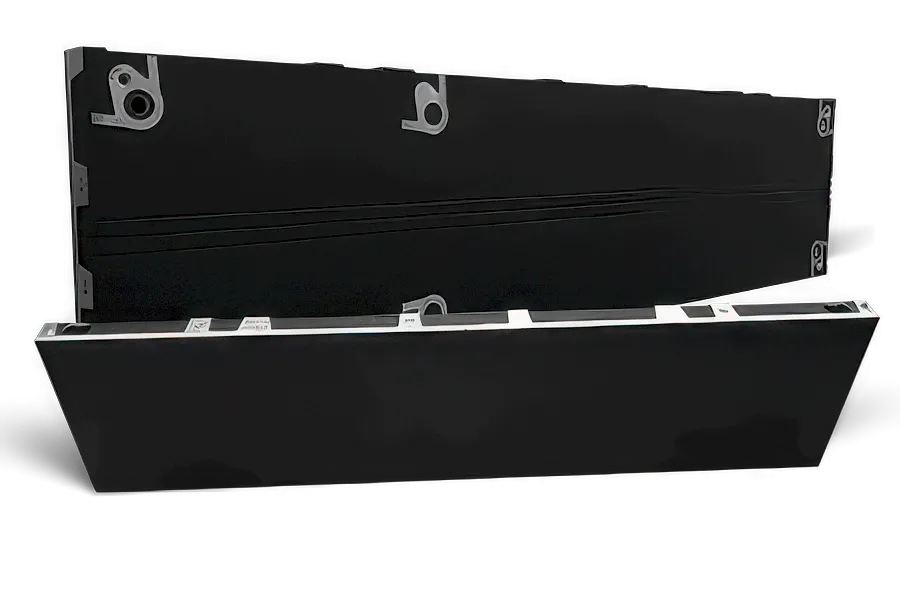
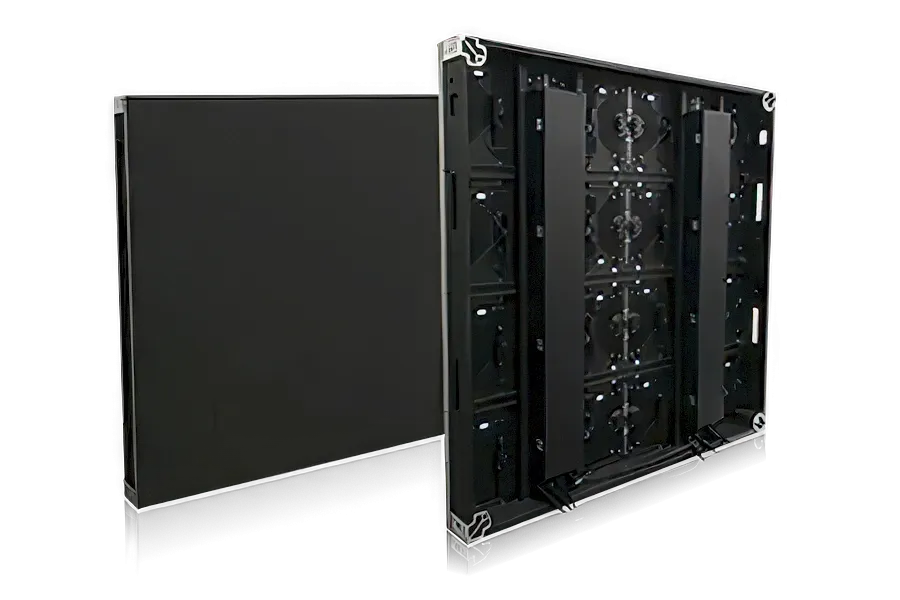
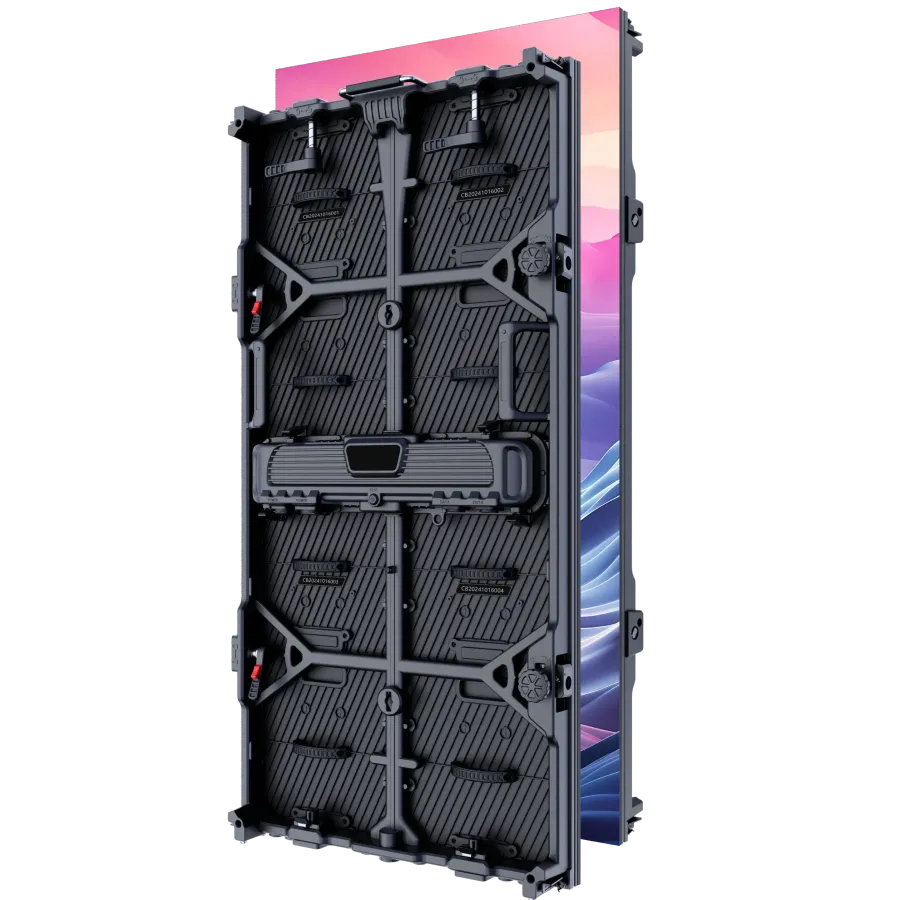
When a module needs attention, the time and disruption of a repair matters. ARECH COB cabinets use a 4-point micro-gear locking system that allows fine adjustments along X, Y, and Z axes during installation or maintenance, keeping cabinet alignment tight without disassembling surrounding panels. The lightweight die-cast cabinet construction resists warping, which keeps the surface flat over time.
Modular design means a targeted repair affects only the affected section, not the full wall.
What Comes Next: Mini-LED and Micro-LED
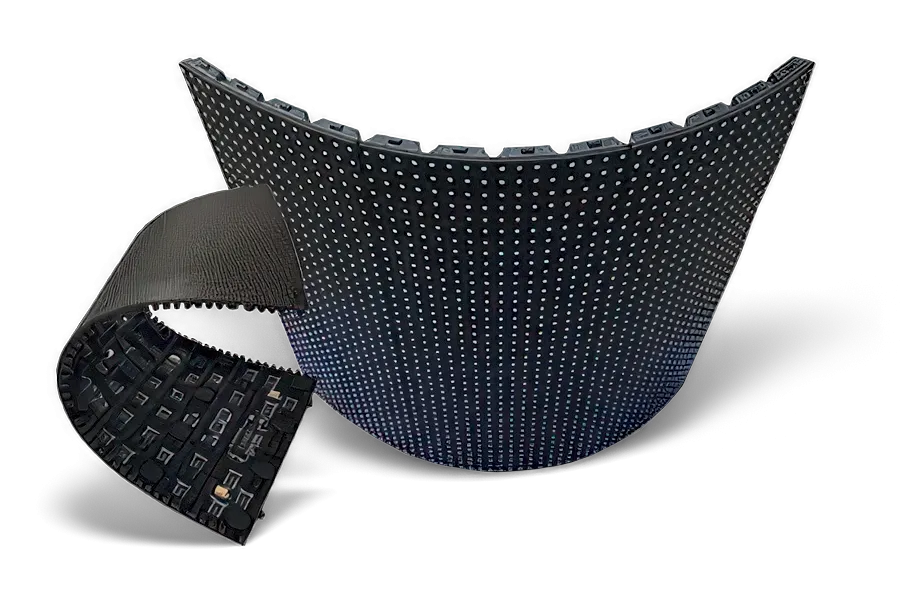
COB is the current generation. The roadmap beyond it includes Mini-LED and Micro-LED — smaller chips, tighter local dimming zones, and finer pixel pitch still. ARECH is also tracking flexible substrates for curved and shaped installations, and sensor or IoT integration for installs that adjust brightness or content from live data.
These remain in development. When the supply chain and economics are right for the screen types ARECH customers actually buy, they will be added to the range.