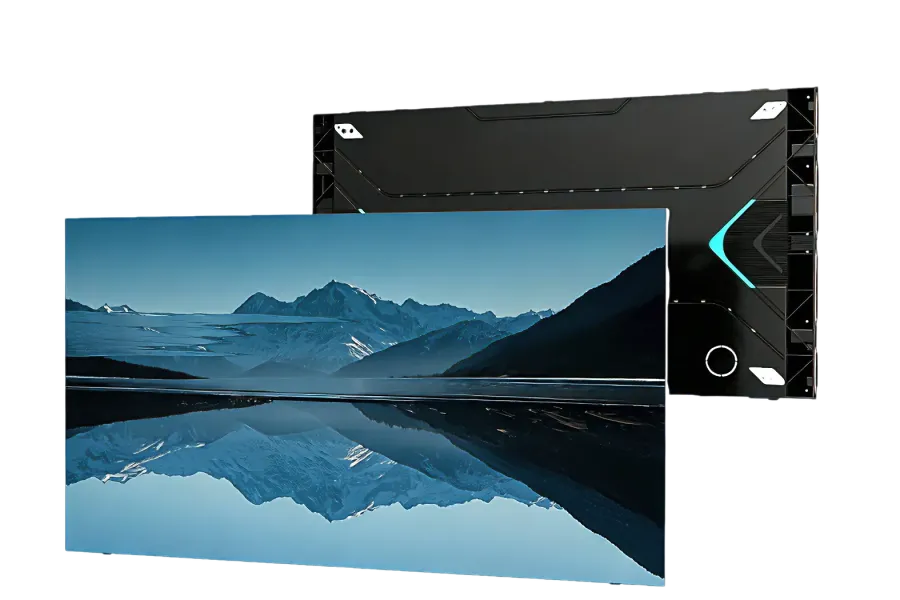
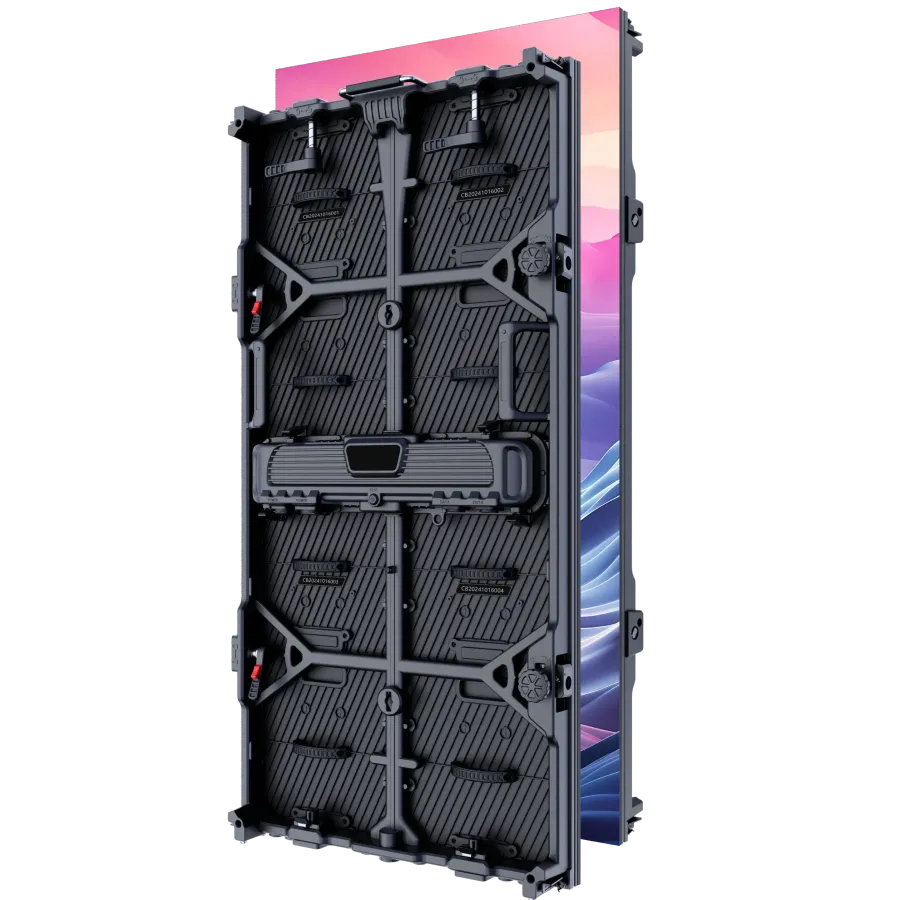
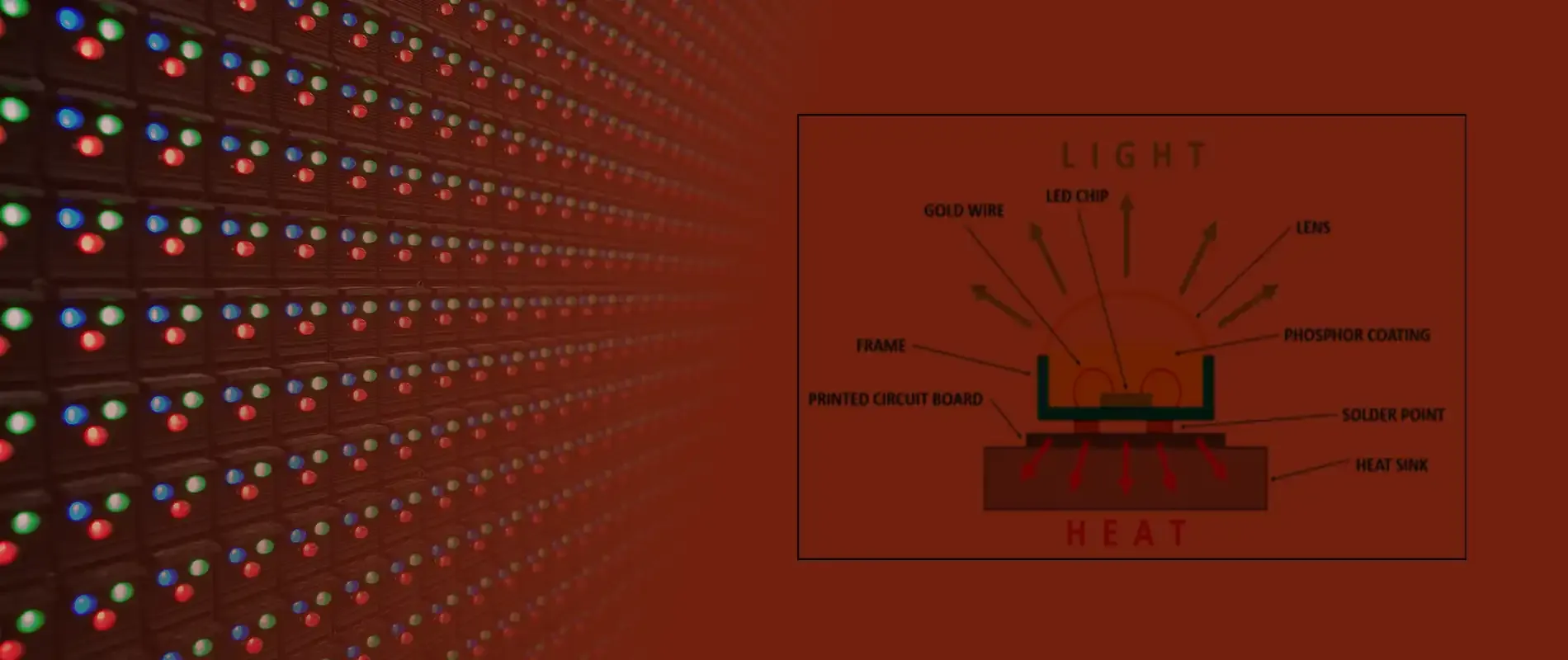
Inside the Ageing Chamber: Every Cabinet is tested
Inside the Ageing Chamber: Every ARECH LED cabinet runs an ageing-chamber burn-in cycle before pack-out.
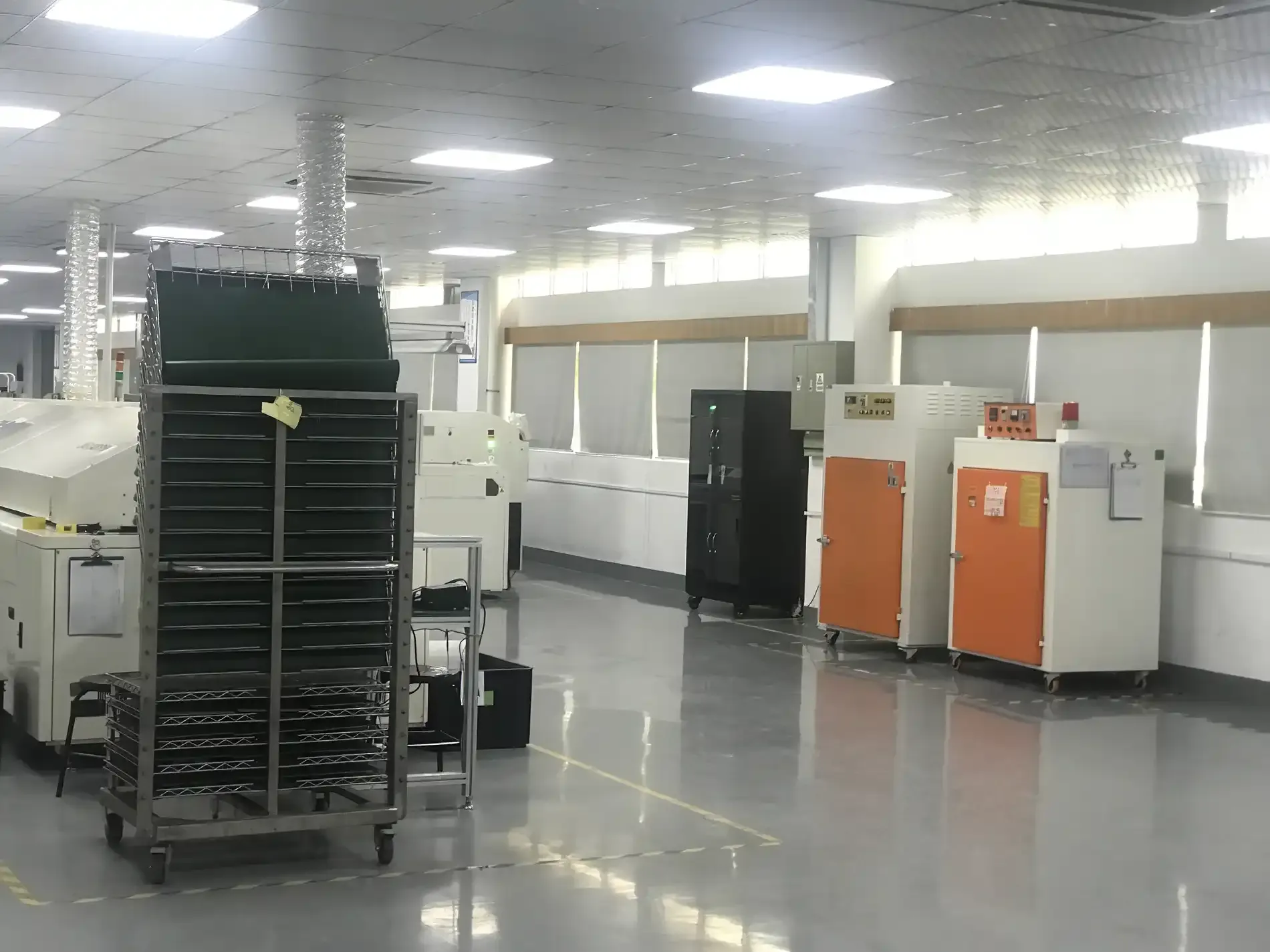
Inside the Ageing Chamber: The most expensive place to find a faulty component is at the customer's install, two months after commissioning. The cheapest place is the factory floor. The ageing chamber is where ARECH moves that discovery from the first place to the second.
Where the Ageing Chamber Sits
Every ARECH cabinet goes through the same six stages before it leaves the floor: SMT placement, mechanical assembly, ageing chamber, colour calibration, mechanical QA, and packout. The ageing chamber is stage three — after the cabinet is built, before it is calibrated and inspected.
The order is deliberate. There is no point calibrating colour on a cabinet that has a component about to fail. Burn-in comes first; the cabinets that pass move on to calibration, where their colour profile is generated and attached for the life of the unit.
What Burn-In Actually Does
Electronic components do not fail at a steady rate across their life. A small fraction of parts carry a latent defect that shows up early — in the first hours or days of operation — and then the failure rate drops and stays low for the long service life that follows. Engineers call that early spike the infant-mortality phase.
The ageing chamber runs every cabinet hard, powered and lit, for a sustained burn-in cycle. The point is to push the cabinet through that early-failure window inside the factory. A driver IC that was going to quit, a solder joint that was going to open, a power supply that was marginal — these surface in the chamber, where a technician reworks them at the station.
The cabinet that ships has already lived through the riskiest part of its life. What the customer receives is a unit on the flat, low part of the failure curve.
Why It Matters at the Install
Picture the alternative. A cabinet skips burn-in, passes a quick visual check, ships, and gets installed in a video wall thirty cabinets wide. Six weeks later one module goes dark. Now someone is on a lift, pulling a front-serviceable module, in a live venue, on a service call that costs far more than the rework would have cost at the factory.
Burn-in moves that event to the one place it is cheap to handle. A failure caught in the chamber is a five-minute rework. The same failure caught on a stadium facade is a travel day, a lift, and a disrupted operation.
This is also why ARECH burns in every cabinet, not a sample. A sampling rate catches systemic problems but lets individual early failures through. For a multi-cabinet wall, where any single dark module is visible, every-cabinet testing is the only rate that holds up.
Burn-In Is One Layer of Several
The ageing chamber does one specific job: it surfaces early-life failures. It sits inside a wider quality discipline that operates at four levels — qualified components from named suppliers, experienced line staff, documented tolerance bands at every station, and certification to CE, FCC, RoHS, and ISO.
Together they are the reason a panel rated for 100,000+ operating hours at >50% brightness retention actually reaches that horizon, rather than carrying the rating only on paper. The full picture of how a cabinet is built and checked is on the factory page, and the terms backing it are on the warranty page.
See It for Yourself
The factory welcomes customer visits and pre-purchase audits — including a walk past the ageing chamber while cabinets are running their cycle. If a video tour suits better than a flight to Shenzhen, the engineering team will walk you through the line on a call.
CONTINUE READING
More from the blog
-
How ARECH's LED Display Warranty Works: 2 or 3 Years, and What Decides It
How ARECH's LED Display Warranty Works: why the term is 2 or 3 years depending on the LED chip, what is excluded, and…
-

Curved and Flexible LED: How It Bends and Where It Fits
Curved and Flexible LED: How bend into columns, domes, and sculptural shapes, why magnetic mounting makes them…
-

What ARECH's LED Display Certifications Mean: CE, FCC, RoHS, ISO 9001, LVD
What ARECH's LED Display Certifications Mean: CE, FCC, RoHS, and ISO 9001, LVD certification each cover on an LED…
-

Indoor vs Outdoor LED Displays: How to Choose the Right One
Indoor vs Outdoor LED Displays: differ in brightness, weatherproofing, pixel pitch, and cabinet build. Here is how to…
-

Pixel Pitch Explained: Matching an LED Display to Viewing Distance
Pixel Pitch Explained - What pixel pitch means, how it sets minimum viewing distance, and how to pick the right LED…
-

Inside the ARECH Factory: One Line, Five Product Families
Inside the ARECH Factory: We builds indoor, outdoor, flexible, HD wall, and rental LED displays on one integrated line…