
Inside the ARECH Factory: One Line, Five Product Families
Inside the ARECH Factory: We builds indoor, outdoor, flexible, HD wall, and rental LED displays on one integrated line — SMT, CNC cabinets, calibration, and burn-in.
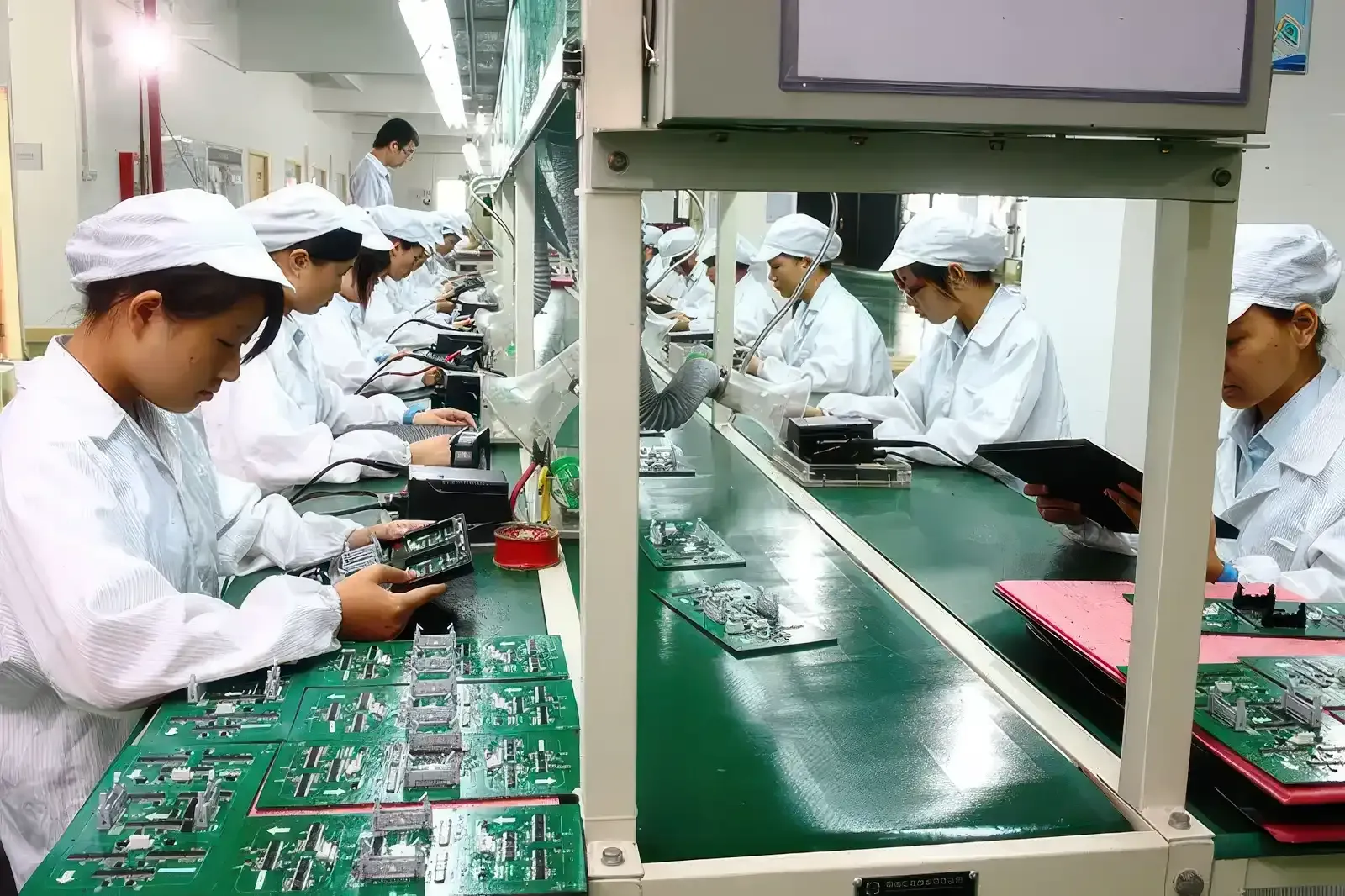
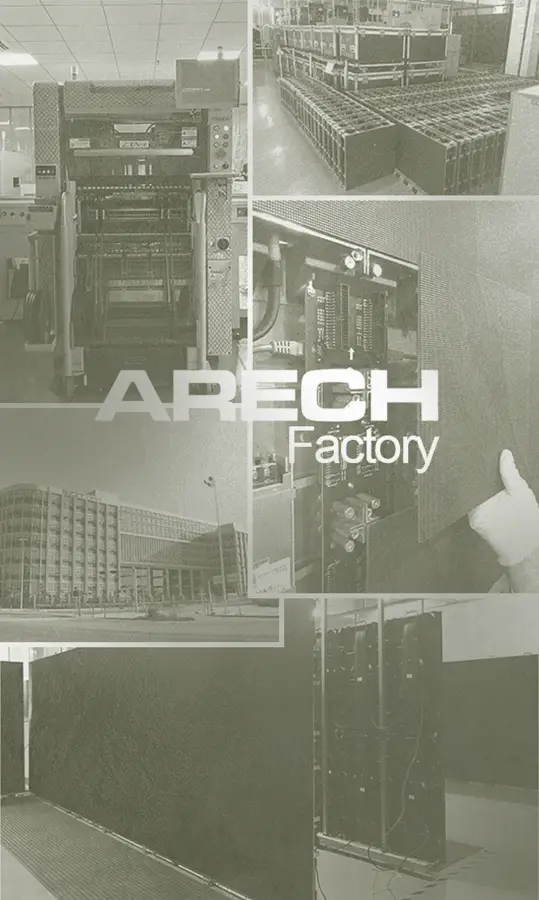
Inside the ARECH Factory: Most LED screens travel through several hands before reaching a buyer — component supplier, board assembler, cabinet fabricator, then distributor. At ARECH's Shenzhen facility, those steps happen in the same building. This is what that looks like in practice, and why it matters when you are specifying a custom screen under a deadline.
The Factory-Direct Difference
A reseller buys finished product from a manufacturer, marks it up, and ships it on. That is fine for commodity orders. It becomes a problem when you need a curved ceiling installation in a non-standard aspect ratio delivered in four weeks.
ARECH sells direct from the factory. No distributor, no markup layer, no third party absorbing weeks of the schedule. Design, engineering, and production sit under one roof at Huihao Industrial Park, Guangming District, Shenzhen. When a client asks for a modification, the answer comes from the engineer who runs the line — not from a sales rep relaying messages to a factory they have never visited.
That is the practical meaning of vertical integration, and it shows up most clearly in custom jobs.
SMT: The Foundation of the Board
Every LED display starts on a PCB. At ARECH, that board runs through Surface-Mount Technology (SMT) assembly lines equipped to handle the full range of ARECH's product families: fine-pitch indoor modules for HD walls, standard indoor panels, outdoor units, flexible substrates, and rental-grade boards.
The key word is reconfigurable. The same line can switch between different PCB layouts without requiring a dedicated setup for each product family. In practice, that means the line is not idle between a fine-pitch indoor run and an outdoor module run — it adapts. The throughput stays consistent regardless of which family is in production.
Component placement on the board is automated and precisely positioned. After placement, boards go through a reflow oven that bonds the components by heating and cooling to a controlled profile. That profile differs by board type and component density, but the process is the same across all five families.
CNC Cabinets: No Outside Metal Shop
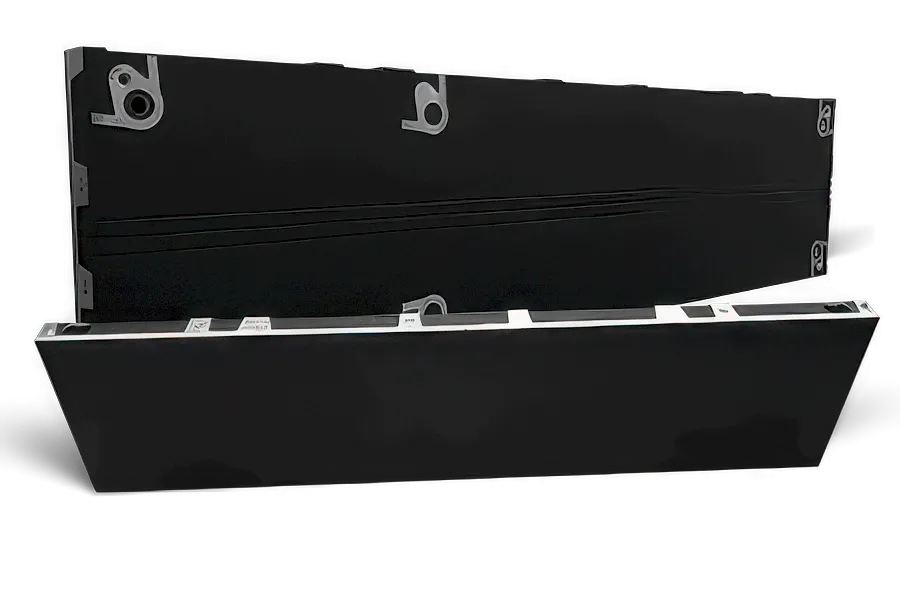
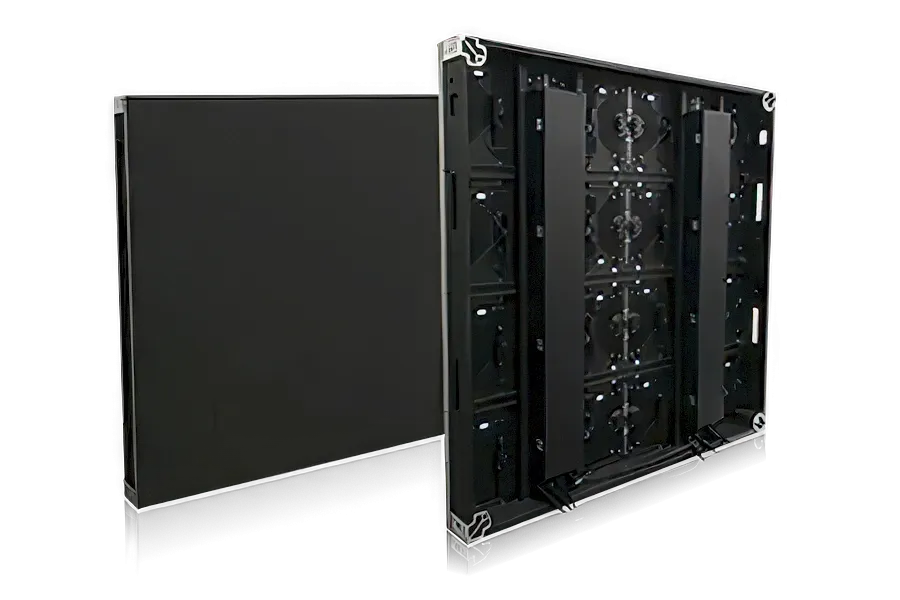
After the boards are assembled, they go into cabinets. Most LED factories outsource this step to a third-party metal shop. ARECH does it in-house with a CNC machining centre that cuts and shapes aluminium panels directly from CAD files.
That matters for three reasons. First, lead time: there is no external queue to join for each run of cabinets. Second, cost: no external tooling or moulds are required for custom shapes. Third, precision: the CAD file that the engineer draws is the same file the CNC machine reads — there is no translation step where a spec can drift.
Custom cabinet formats — curved faces, non-rectangular outlines, reduced-depth profiles for tight wall cavities — are handled on the same machine as standard rectangular cabinets. The workflow does not change; only the CAD file does.
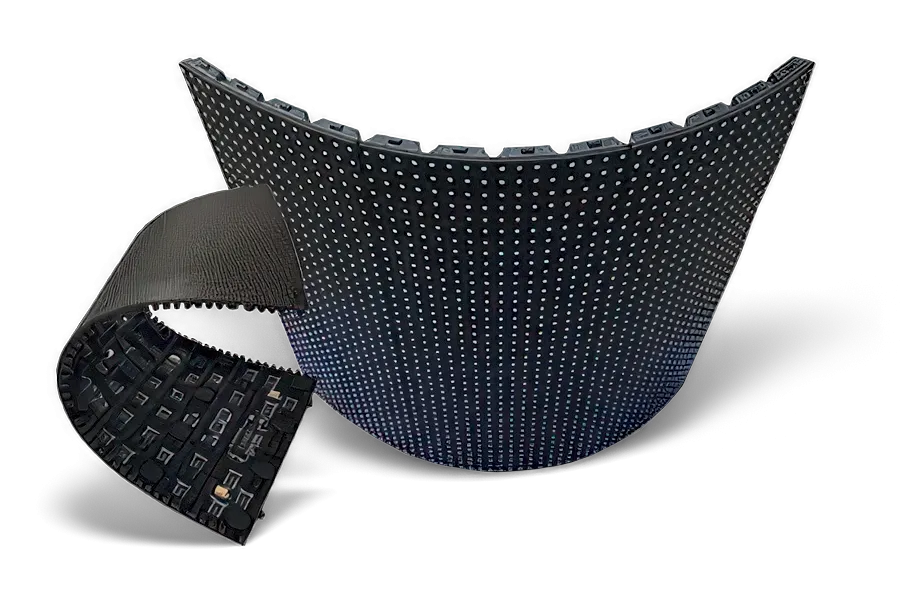
For curved and cylindrical installations, calibration software handles the viewing-angle and colour-correction adjustments that a flat-panel workflow does not need. The geometry is irregular; the assembly process treats it the same.
QA and Burn-In: Same Standard, Every Unit
Once a display is assembled, it enters a multi-stage inspection and testing process. The sequence covers visual inspection at the module level, electrical testing, and a full-brightness burn-in — running the completed display at maximum output for an extended period to surface any early component failures before the unit ships.
The burn-in and functional testing protocol applies to both standard catalogue products and custom units. A curved rental screen and a standard P4 outdoor cabinet go through the same ageing regime. This matters for custom orders: the fact that a display was built to a non-standard spec does not exempt it from the same QA standard as the catalogue product. There is no separate "custom track" with a lighter test process.
See the ageing chamber and burn-in process explained in detail for more on how this testing works and what it catches.
Five Families, One Line
ARECH's product range spans five families, each built for a different application and environment:
- Indoor LED screens — mid-range pitch for retail, hospitality, corporate lobbies; ambient light is controlled, so brightness is calibrated for the room rather than maximised.
- Outdoor LED screens — high-brightness panels rated to 6,000+ nits with IP65 weatherproofing; built for direct sun, rain, and wide temperature swings.
- Flexible LED displays — modules with a substrate that bends to a curve, cylinder, or wave shape; used in architectural installations where a flat panel cannot follow the surface.
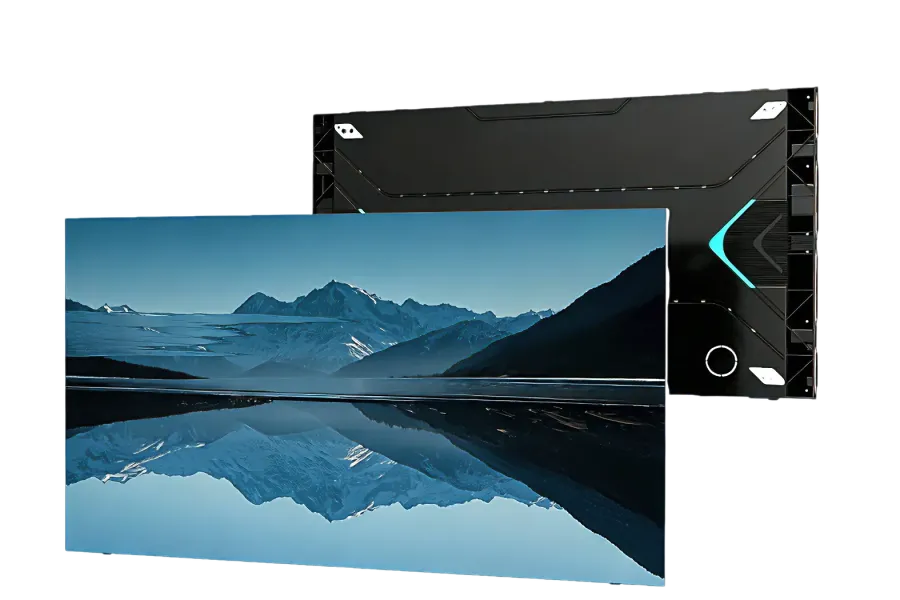
- HD wall displays — Fine Pitch COB technology for close-range viewing in control rooms, broadcast studios, and boardrooms where image sharpness at conversational distance is the brief.
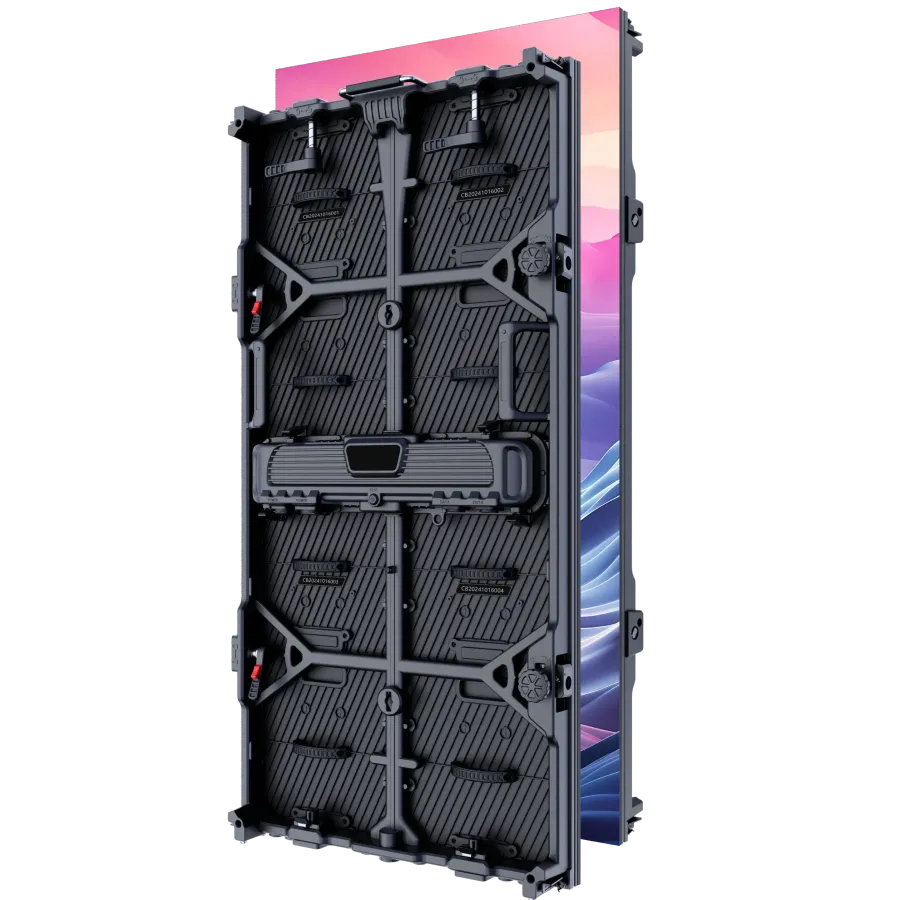
- Rental LED displays — lightweight, fast-assemble panels built for touring shows, conferences, and event staging where the screen goes up and comes down repeatedly.
A single integrated production line handling all five means the engineering team sees each family regularly. Lessons from an outdoor weatherproofing issue or a flexible module calibration run flow back into the standard process rather than sitting in a separate team's knowledge base.
What This Means for Your Order
The practical effects of building everything in-house show up at three points in a project:
Quoting. Because ARECH's engineers own both the design and the production, a quote for a custom size or an unusual format comes back with a real answer — not an estimate pending a third-party tooling inquiry.
Lead time. Eliminating the external cabinet fabrication step removes one of the main schedule uncertainties in a custom display project. Lead times are reduced compared to a split-factory model; how much depends on the specification, but the bottleneck of waiting on an external metal shop is gone.
After-delivery support. The engineer who reviewed the initial brief and signed off on the QA report is reachable after the screen ships. There is no distributor in the middle to relay questions.
If you have a brief — a venue, a shape, a deadline, or just a rough size and application — send it to the ARECH engineering team. The same people who run the line will review it.
CONTINUE READING
More from the blog
-
How ARECH's LED Display Warranty Works: 2 or 3 Years, and What Decides It
How ARECH's LED Display Warranty Works: why the term is 2 or 3 years depending on the LED chip, what is excluded, and…
-
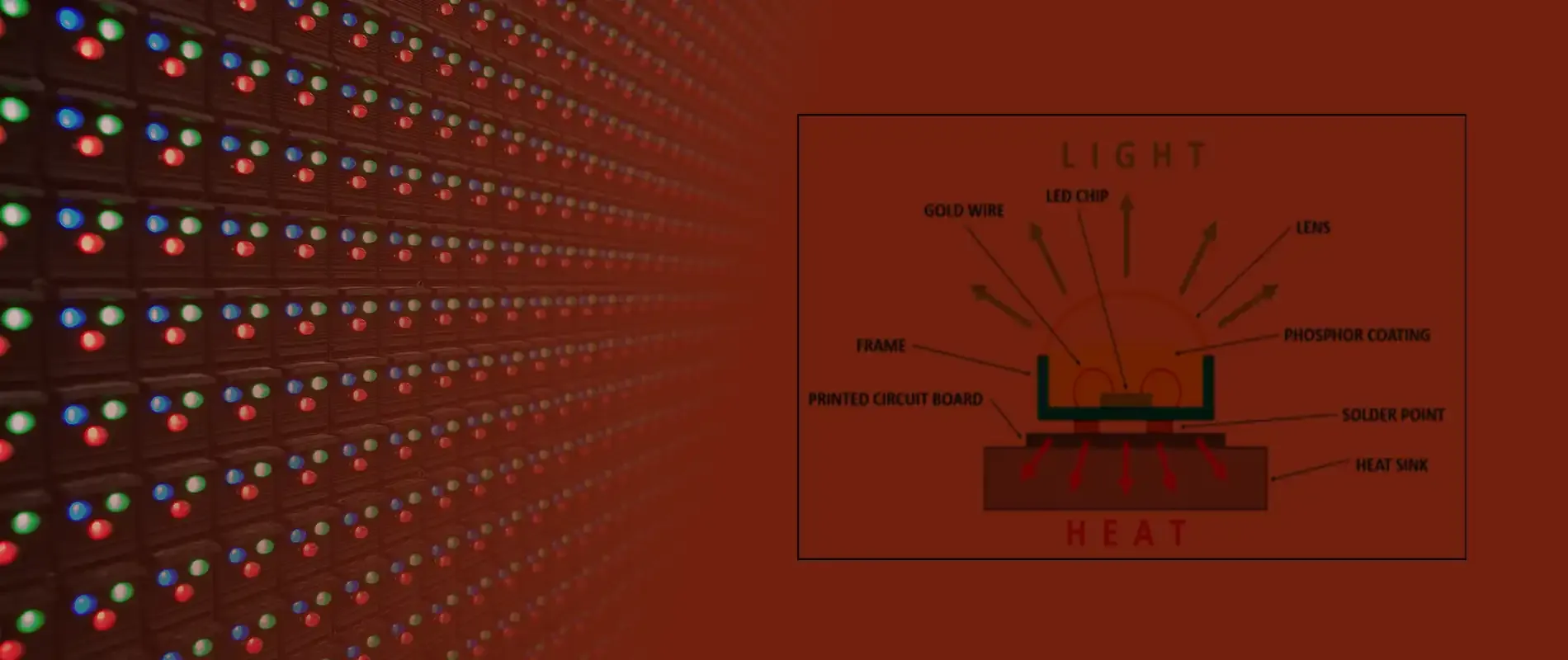
Inside the Ageing Chamber: Every Cabinet is tested
Inside the Ageing Chamber: Every ARECH LED cabinet runs an ageing-chamber burn-in cycle before pack-out.
-

Curved and Flexible LED: How It Bends and Where It Fits
Curved and Flexible LED: How bend into columns, domes, and sculptural shapes, why magnetic mounting makes them…
-

What ARECH's LED Display Certifications Mean: CE, FCC, RoHS, ISO 9001, LVD
What ARECH's LED Display Certifications Mean: CE, FCC, RoHS, and ISO 9001, LVD certification each cover on an LED…
-

Indoor vs Outdoor LED Displays: How to Choose the Right One
Indoor vs Outdoor LED Displays: differ in brightness, weatherproofing, pixel pitch, and cabinet build. Here is how to…
-

Pixel Pitch Explained: Matching an LED Display to Viewing Distance
Pixel Pitch Explained - What pixel pitch means, how it sets minimum viewing distance, and how to pick the right LED…