
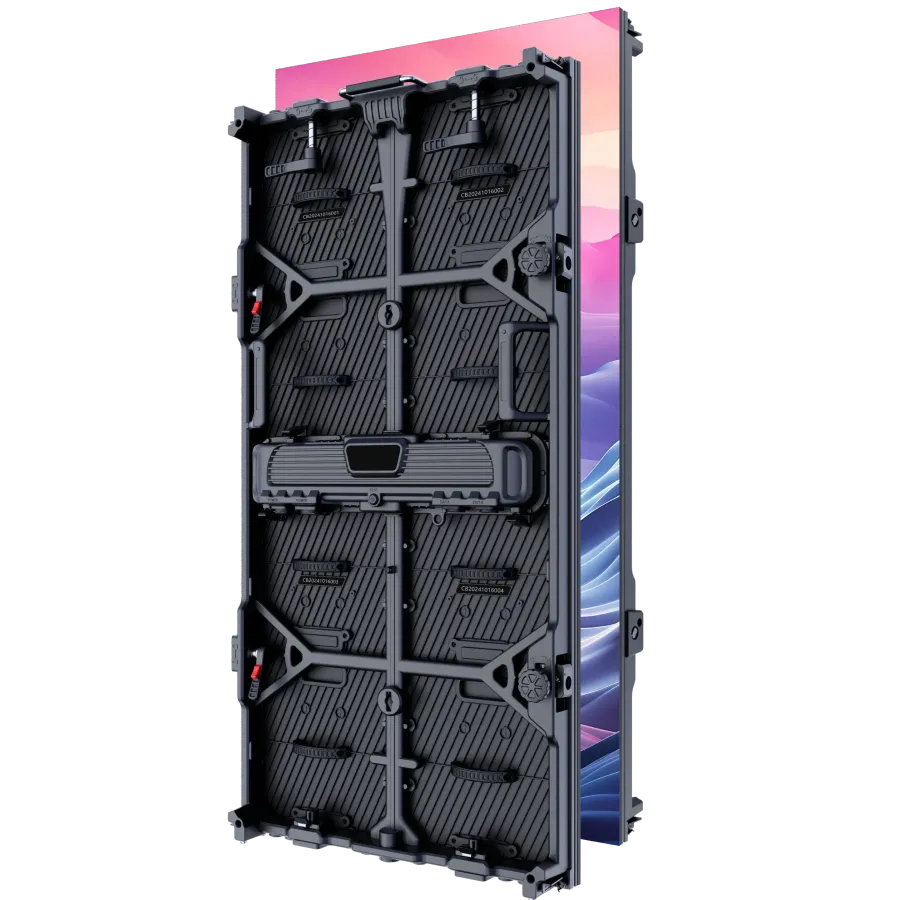

Indoor vs Outdoor LED Displays: How to Choose the Right One
Indoor vs Outdoor LED Displays: differ in brightness, weatherproofing, pixel pitch, and cabinet build. Here is how to tell which one your project actually needs.
Indoor vs Outdoor LED Displays debate: Indoor and outdoor LED displays look similar from across a room, but they are built for different fights. Four things separate them — brightness, weatherproofing, pixel pitch, and cabinet construction — and getting any one wrong shows up fast on site.
The One Question That Decides It
Before any spec, answer one thing: how much light is the screen fighting?
An indoor wall competes with controlled lighting — lobby downlights, retail spots, daylight filtered through glass. An outdoor wall competes with the sun. That single difference cascades into every other spec on the sheet. Get the brightness class wrong and an indoor panel washes out in a shop window, or an outdoor panel blinds a foyer and burns power it never needed.
So the first cut is not indoor-versus-outdoor by location — it is by light. A storefront display behind glass in direct afternoon sun is an "outdoor brightness" problem even though the panel sits indoors.
Brightness
Brightness is measured in nits (candela per square metre), and it is the headline difference.
- Outdoor displays are built to stay readable in direct sunlight. ARECH outdoor cabinets are rated to 6,000 nits for exactly that — a billboard or facade has to punch through midday sun and still read from the far side of a plaza.
- Indoor displays run far lower, because the ambient light they face is a fraction of outdoor sun. Pushing an indoor panel to outdoor brightness would be uncomfortable to stand near, waste power, and add heat the cabinet does not need to manage.
The rule: match brightness to ambient light, not to a bigger-is-better instinct. A screen brighter than its environment needs is a screen wasting energy and shortening its own component life through extra heat.
Weatherproofing and Cabinet Build
An outdoor cabinet has to survive weather an indoor cabinet never sees.
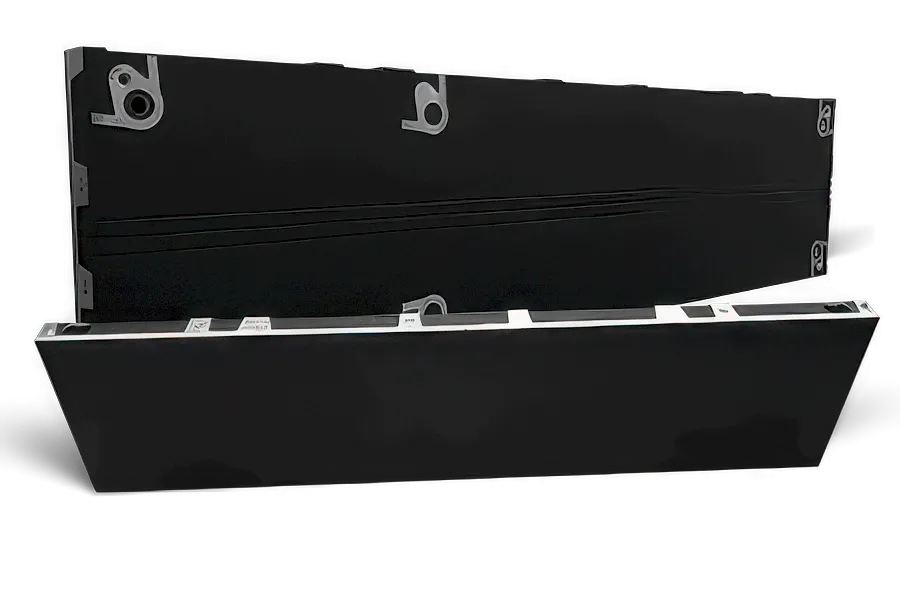
- Outdoor cabinets are sealed against rain, dust, and humidity, with the thermal design to handle sun load and the structural build for wind and mounting on a facade or freestanding structure. The outdoor range is built for that duty cycle and exposure.
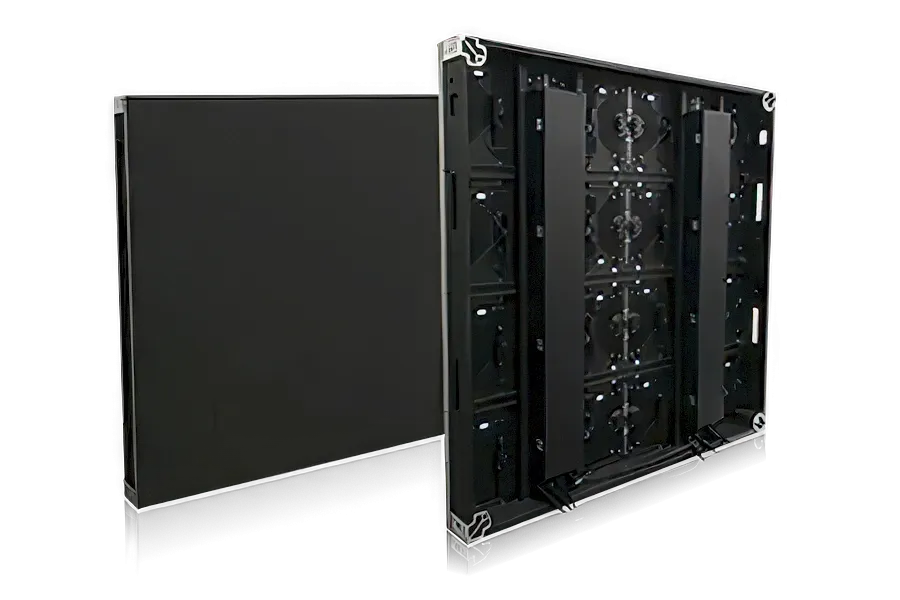
- Indoor cabinets are lighter and slimmer because they do not carry the sealing and weather hardening. That makes them easier to mount flush, service from the front, and configure into fine walls with no visible seam. See the indoor range.
This is why an indoor cabinet cannot simply be "used outside" — it lacks the ingress protection and thermal headroom — and why an outdoor cabinet indoors is heavier and coarser than the room needs.
Pixel Pitch and Viewing Distance
Indoor and outdoor displays usually sit at different pixel-pitch ranges, and the reason is viewing distance, not the indoor/outdoor label itself.
- Indoor viewers stand close — metres away in a lobby, a retail aisle, or a control room — so indoor panels lean toward a finer pitch to stay sharp at conversational distance.
- Outdoor viewers stand far — tens of metres from a billboard or facade — so outdoor panels use a coarser pitch, which keeps cost and power sensible at a distance where the eye cannot resolve the extra pixels anyway.
The mechanics of that trade-off are worth understanding before you spec either class — the full reasoning is in pixel pitch explained.
A Quick Decision Table
- Ambient light — Indoor: Controlled / interior; Outdoor: Direct sun
- Brightness — Indoor: Lower, tuned to the room; Outdoor: High — ARECH rates outdoor to 6,000 nits
- Cabinet — Indoor: Slim, light, front-service; Outdoor: Sealed, weather-hardened, thermally managed
- Pixel pitch — Indoor: Finer (close viewers); Outdoor: Coarser (distant viewers)
- Typical use — Indoor: Lobbies, retail, control rooms, broadcast; Outdoor: Billboards, facades, stadiums, plazas
The edge case to watch is the storefront behind glass in daylight: interior location, outdoor light. That one needs an indoor-form-factor panel with the brightness to fight the sun — a conversation worth having with an engineer rather than guessing.
Still Not Sure? Send the Site
Most projects are obvious once the brief is on the table; a few sit on the line. Send the venue, where the screen sits relative to daylight, how close the nearest viewer stands, and what will play on it. The engineering team matches the class — and the brightness, pitch, and cabinet — to the brief, and the engineer who reviews it stays on the project through commissioning.
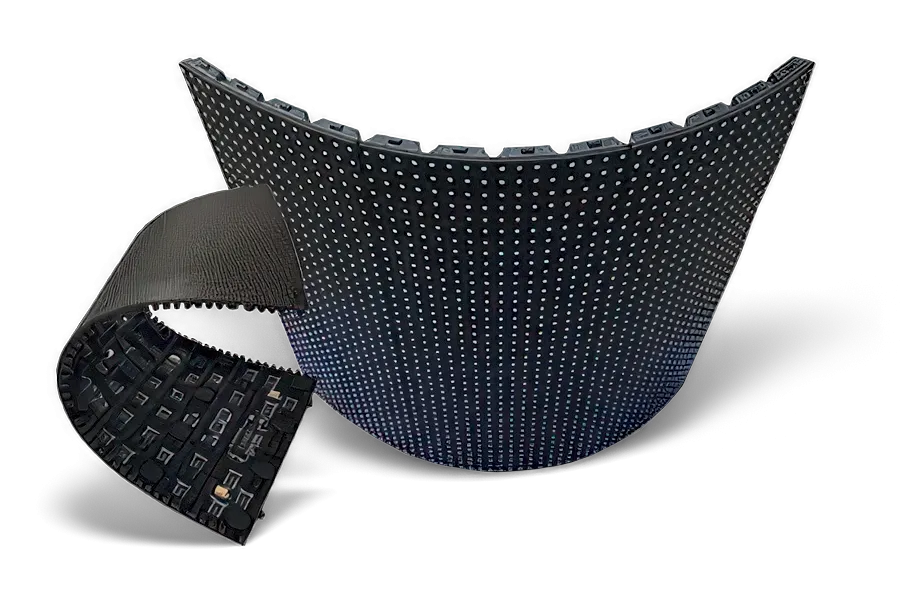
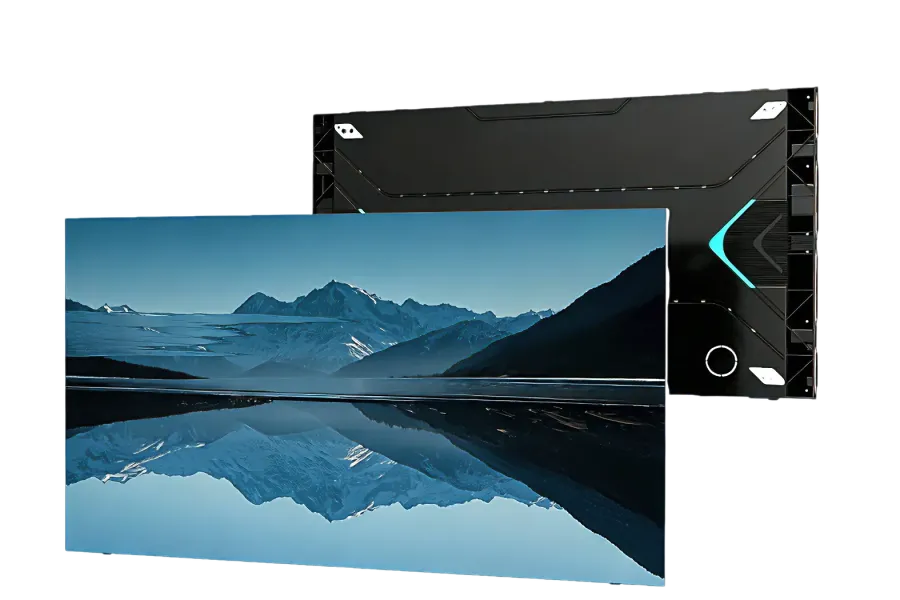
Both classes, plus flexible, HD wall, and rental, come off one production line — see the full product range.
CONTINUE READING
More from the blog
-

How ARECH's LED Display Warranty Works: 2 or 3 Years, and What Decides It
How ARECH's LED Display Warranty Works: why the term is 2 or 3 years depending on the LED chip, what is excluded, and…
-
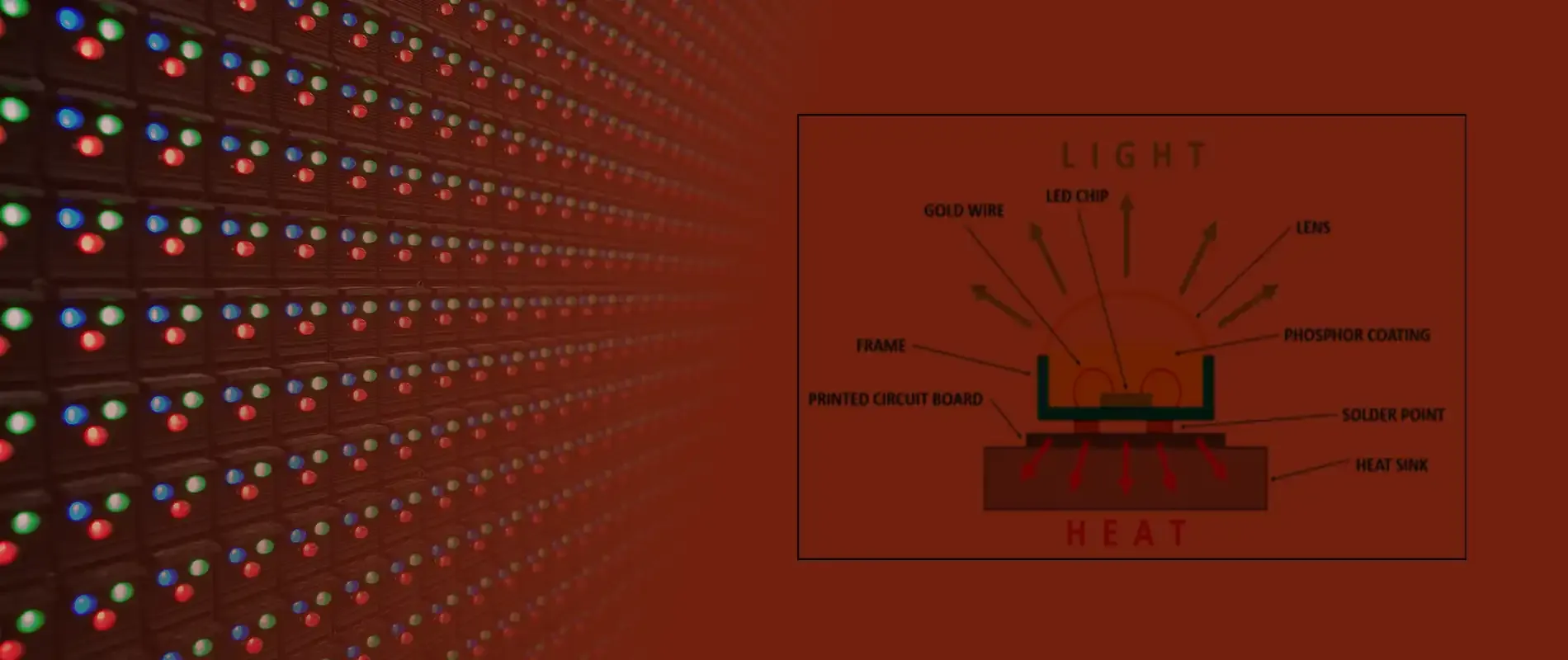
Inside the Ageing Chamber: Every Cabinet is tested
Inside the Ageing Chamber: Every ARECH LED cabinet runs an ageing-chamber burn-in cycle before pack-out.
-

Curved and Flexible LED: How It Bends and Where It Fits
Curved and Flexible LED: How bend into columns, domes, and sculptural shapes, why magnetic mounting makes them…
-

What ARECH's LED Display Certifications Mean: CE, FCC, RoHS, ISO 9001, LVD
What ARECH's LED Display Certifications Mean: CE, FCC, RoHS, and ISO 9001, LVD certification each cover on an LED…
-

Pixel Pitch Explained: Matching an LED Display to Viewing Distance
Pixel Pitch Explained - What pixel pitch means, how it sets minimum viewing distance, and how to pick the right LED…
-

Inside the ARECH Factory: One Line, Five Product Families
Inside the ARECH Factory: We builds indoor, outdoor, flexible, HD wall, and rental LED displays on one integrated line…