How ARECH's LED Display Warranty Works: 2 or 3 Years, and What Decides It
How ARECH's LED Display Warranty Works: why the term is 2 or 3 years depending on the LED chip, what is excluded, and how lifetime after-warranty service works.

How ARECH's LED Display Warranty Works: A warranty is only as useful as the parts you read before you sign. Here is what the ARECH warranty covers, why the term depends on the LED chip inside the cabinet, what falls outside it, and what happens after the window closes.
What the Warranty Covers
The ARECH warranty is a written commitment to repair or replace a product that fails to meet quality standards because of defects in two specific areas:
- Materials — defects in the components sourced from the named brand partners that go into the cabinet.
- Workmanship — defects in the labour and assembly discipline applied during production.
It is a collateral condition to the main contract, focused on the physical integrity of the cabinet. It applies to products installed and serviced by technical personnel certified by ARECH, or installed under ARECH's direct supervision, with the scheduled preventive maintenance carried out as the technical documentation requires.
Why the Term Is 2 or 3 Years
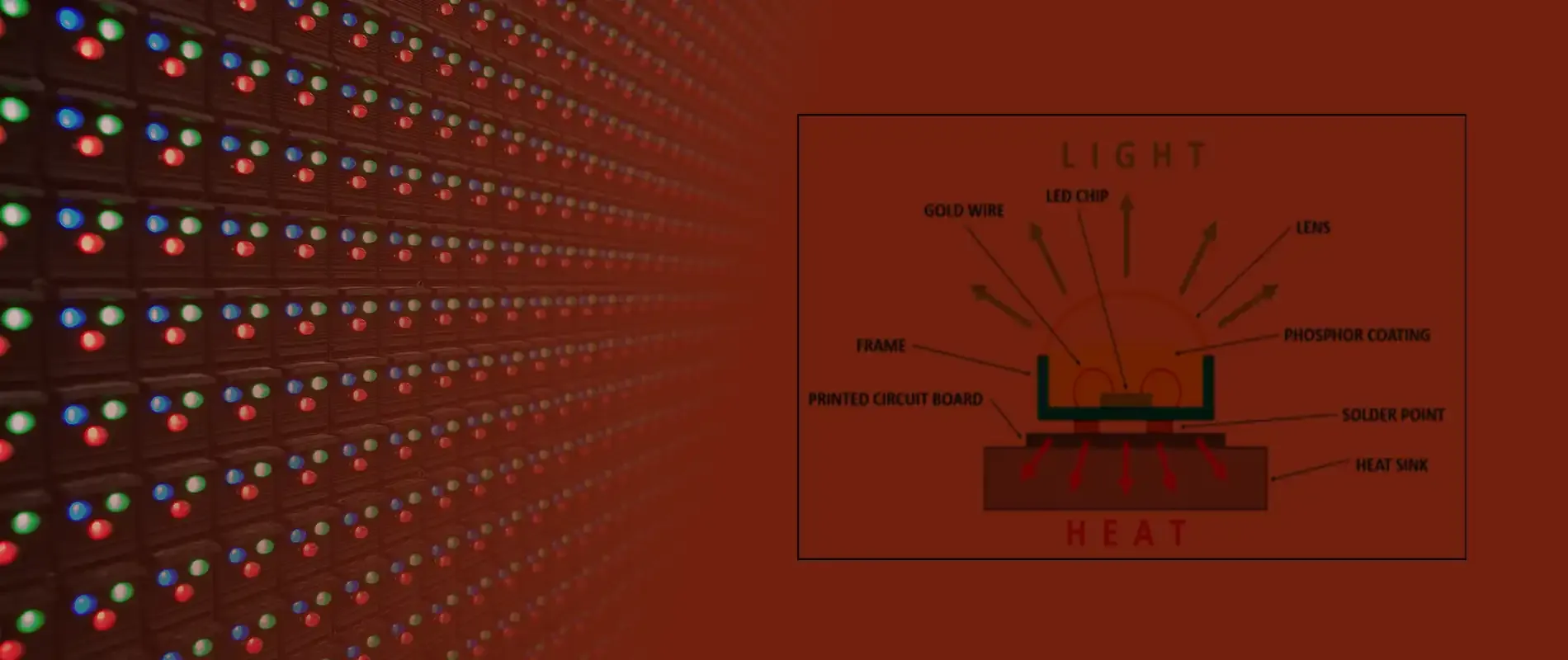
The warranty period is not a flat number. It tracks the LED chip family inside the cabinet, because the chip is the component whose long-term behaviour drives the rating:
- Cree (Wolfspeed) LEDs — 3 years
- Nationstar gold-wire LEDs — 2 years
The chip provenance for a given project is documented at quote stage and confirmed on the shipping paperwork — so the term is known before purchase, not discovered after. The full picture of which LED partners sit across the catalogue is on the partners and brands page.
The period starts on the product shipment date. If ARECH handles on-site acceptance, it starts when the product is officially taken into use.
Warranty and Guarantee Are Two Different Things
ARECH draws a deliberate line between two terms that get used loosely elsewhere:
- The warranty is the narrow, written promise above — repair or replacement for material and workmanship defects, for a defined term.
- The guarantee is the broader assurance that the product will meet the performance specification quoted at sale, and that ARECH will act if it does not — through repair, replacement, refund, exchange, or added support as the case warrants.
The warranty protects the hardware. The guarantee protects the outcome. A buyer gets both.
What Is Not Covered
Every honest warranty has edges. The ARECH warranty excludes:
- Consumables — parts expected to be replaced in normal use, such as fans, filters, and individual power supplies considered on a wear basis.
- Improper use — defects from not following the operating instructions in the technical documentation.
- Accidents and alterations — damage from accidents, unauthorised modification, or connection to incompatible equipment.
- Environmental factors — damage from ignoring install requirements: heat, humidity, dust, or power surges outside the documented spec.
- Normal wear and tear across the service life.
- External causes beyond ARECH's reasonable control.
Reading the exclusions before the install is what keeps a claim straightforward later — most disputes trace back to install conditions outside the documented spec, which is exactly what the certified-installation requirement in Section 1 is there to prevent.
What Happens After the Warranty Ends
A panel rated for 100,000+ operating hours outlives any 2- or 3-year warranty term, so the more important question is what support looks like afterward. ARECH commits to:
- Lifetime after-warranty service. Once the warranty expires, maintenance and repair support continues, charged at materials-plus-labour cost rather than withdrawn.
- Free spare accessories during the window. Spare power supplies, modules, or control cards to keep maintenance moving while the warranty is live.
- Service for non-ARECH equipment by agreement. Where the technical scope fits, the engineering team can take on service work case-by-case on displays not originally bought from ARECH.
One practical note on cost: the customer covers freight, insurance, and any import duties on warranty shipments in both directions. ARECH covers the factory-side work and the spare-part dispatch. That split is standard international-trade practice, and stating it up front avoids surprises during a claim.
How to Open a Claim
If something does go wrong, the path is six steps: document the symptom with photos or video, contact ARECH with the purchase reference and install location, let the assigned engineer review whether it falls under warranty, agree the resolution path and timeline, arrange the customer-side freight while ARECH handles the factory side, and verify the repair at close-out.
The same engineer who specced the project typically carries the claim — so the person handling the failure already knows the install.
Ask about warranty terms for your project →
For the full policy — every clause, the complete exclusion list, and the responsibilities table — see the warranty and guarantee page.
CONTINUE READING
More from the blog
-
Inside the Ageing Chamber: Every Cabinet is tested
Inside the Ageing Chamber: Every ARECH LED cabinet runs an ageing-chamber burn-in cycle before pack-out.
-

Curved and Flexible LED: How It Bends and Where It Fits
Curved and Flexible LED: How bend into columns, domes, and sculptural shapes, why magnetic mounting makes them…
-

What ARECH's LED Display Certifications Mean: CE, FCC, RoHS, ISO 9001, LVD
What ARECH's LED Display Certifications Mean: CE, FCC, RoHS, and ISO 9001, LVD certification each cover on an LED…
-

Indoor vs Outdoor LED Displays: How to Choose the Right One
Indoor vs Outdoor LED Displays: differ in brightness, weatherproofing, pixel pitch, and cabinet build. Here is how to…
-

Pixel Pitch Explained: Matching an LED Display to Viewing Distance
Pixel Pitch Explained - What pixel pitch means, how it sets minimum viewing distance, and how to pick the right LED…
-

Inside the ARECH Factory: One Line, Five Product Families
Inside the ARECH Factory: We builds indoor, outdoor, flexible, HD wall, and rental LED displays on one integrated line…