
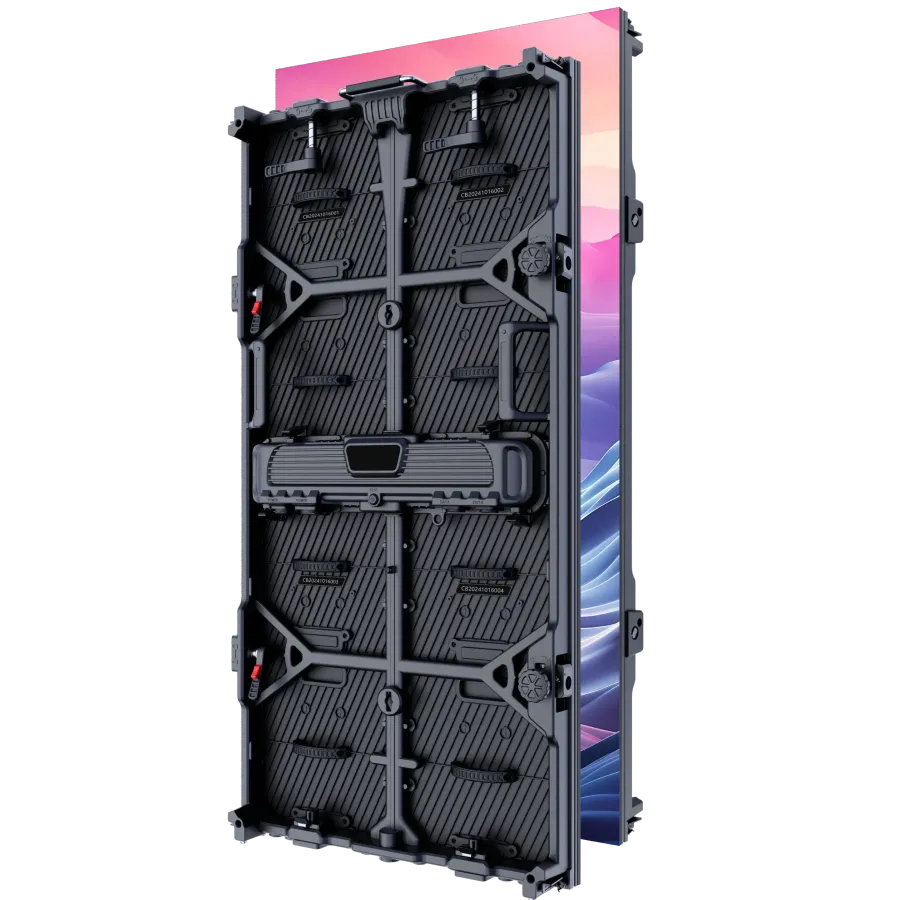

LED Display Certification: How ARECH Earns and Keeps LVD and EMC from Intertek
LED Display Certification: How ARECH Earns and Keeps LVD and EMC from Intertek
LED Display Certification: A certificate on a spec sheet is only as good as the testing behind it. ARECH holds LVD and EMC certification issued by Intertek — one of the largest independent testing authorities in the world. This article explains what that process actually involves: what gets tested, what the standards require, and why independent third-party certification changes the risk calculation when you are buying LED displays.
Two Certifications, Two Sets of Questions
Every LED display sold into a regulated market must pass two independent compliance checks: one for electrical safety, one for electromagnetic behaviour.
LVD — Low Voltage Directive. LVD certification, tested to IEC/EN 61010, covers the electrical safety of the product. The question it answers is: can this display injure someone or start a fire? The test battery includes power supply stability, insulation performance, over-voltage protection, and thermal management. A panel that fails any of these does not ship.
EMC — Electromagnetic Compatibility. EMC certification, tested to IEC/EN 55032 and IEC/EN 55035, covers how the display behaves on the electromagnetic spectrum — both what it emits and what it can absorb. The checks include radiation emission, conducted emission, electrostatic discharge (ESD) resistance, and surge immunity. A display that radiates beyond the permitted limits can interfere with other equipment nearby; one that cannot survive an ESD event becomes unreliable in the field.
If you want a plain-English breakdown of what each certification covers and why it matters as a buyer, see LED Display Certifications Explained. This article focuses on the process of earning them.
Why Intertek, and Why It Matters
ARECH uses Intertek as its third-party certifier. Intertek is a globally recognised testing and certification authority with established expertise in electrical safety and compliance. The key word is third-party: the certification is not self-declared and cannot be issued by the manufacturer.
An independent laboratory receives production samples, runs the full test battery against the applicable standards, and issues the certificate only if the results are clean. The manufacturer does not choose which samples are tested or oversee the lab during testing. That independence is what makes the certificate meaningful: it is documented, objective evidence of compliance, not a marketing claim.
Intertek certification opens market access into the EU, Southeast Asia, the Middle East, and North America. It functions as a compliance passport: one set of independently validated test results accepted across multiple jurisdictions.
What Is Tested, and When
Certification is not a single inspection at the end of production. ARECH governs the full build chain against international standards — from raw material selection and R&D design through to mass production and quality control. Each stage has defined requirements, and the final third-party test is the last gate before the product leaves the factory.
Here is what Intertek's LVD and EMC test batteries actually check:
LVD electrical-safety battery (IEC/EN 61010):
- Power supply stability — does the supply hold clean output across load and temperature variation?
- Insulation performance — are live conductors properly isolated from surfaces a person can touch?
- Over-voltage protection — does the circuit clamp correctly if input voltage spikes?
- Thermal management — does the panel stay within safe operating temperatures under sustained load?
EMC battery (IEC/EN 55032 / 55035):
- Radiation emission — does the display emit electromagnetic radiation within the permitted limits?
- Conducted emission — do interference signals travel back down the power cable within limits?
- ESD resistance — does the display survive an electrostatic discharge event without damage or data corruption?
- Surge immunity — does the display survive voltage surges on the supply line?
Eight distinct tests. A pass on all eight is required for the certificate to be issued.
What This Means for Your Project
When you source an LED display with current LVD and EMC certification, you are buying a documented compliance record, not a promise. For projects going into regulated markets — venues, retail, corporate, public spaces — that record is the difference between a smooth installation and an expensive compliance retrofit.
A few practical points:
- Market access. Certified displays can be imported into the EU and other regulated markets without a separate compliance review at the border. Uncertified displays can be held, returned, or destroyed.
- Site compliance. Building owners and insurance underwriters increasingly require electrical safety documentation for permanent installations. The LVD test record is that documentation.
- ESD and surge events. Displays that have passed IEC/EN 55035 ESD and surge immunity tests have a documented baseline for field reliability. Displays that have not been tested to that standard have an unknown baseline.
If you need the test documentation for a specific order or project submission, contact the ARECH team — the relevant paperwork can be provided for your records.
Seeing the Factory Behind the Certificate
A certificate reflects the production it was issued against. The ARECH factory in Shenzhen runs the full production chain under one roof: cabinet fabrication, module assembly, power integration, and quality control. Visiting the factory before committing to a large order is standard practice for serious buyers; the engineering team can walk you through the QA steps that feed into the certification process.
For a full picture of how ARECH screens are built and tested at the production level, the ageing chamber and burn-in article covers the pre-shipment testing that happens after certification. That is the stage where panels are run continuously to catch early-life failures before they reach site.
CONTINUE READING
More from the blog
-
How ARECH's LED Display Warranty Works: 2 or 3 Years, and What Decides It
How ARECH's LED Display Warranty Works: why the term is 2 or 3 years depending on the LED chip, what is excluded, and…
-
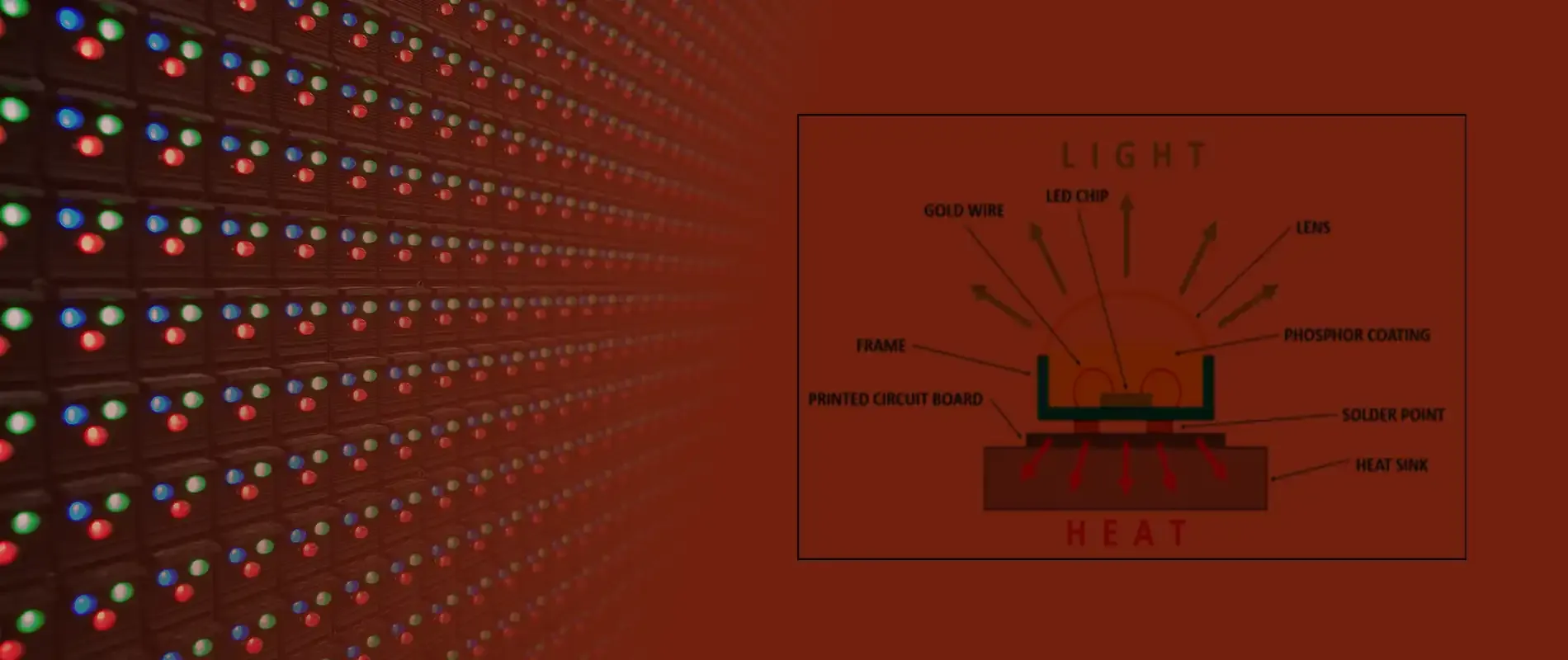
Inside the Ageing Chamber: Every Cabinet is tested
Inside the Ageing Chamber: Every ARECH LED cabinet runs an ageing-chamber burn-in cycle before pack-out.
-

Curved and Flexible LED: How It Bends and Where It Fits
Curved and Flexible LED: How bend into columns, domes, and sculptural shapes, why magnetic mounting makes them…
-

What ARECH's LED Display Certifications Mean: CE, FCC, RoHS, ISO 9001, LVD
What ARECH's LED Display Certifications Mean: CE, FCC, RoHS, and ISO 9001, LVD certification each cover on an LED…
-

Indoor vs Outdoor LED Displays: How to Choose the Right One
Indoor vs Outdoor LED Displays: differ in brightness, weatherproofing, pixel pitch, and cabinet build. Here is how to…
-

Pixel Pitch Explained: Matching an LED Display to Viewing Distance
Pixel Pitch Explained - What pixel pitch means, how it sets minimum viewing distance, and how to pick the right LED…