ARECH · GUIDES · TECHNICAL EXPLAINERS
Factory-Written Guides on Specifying and Buying LED Displays.
Buying advice and technical explainers on LED display screens, written by the factory engineering team — pixel pitch, brightness, certifications, reliability. No sales spin, just the reasoning a buyer needs.
Showing 20 articles
Featured · Latest
How ARECH's LED Display Warranty Works: 2 or 3 Years, and What Decides It
How ARECH's LED Display Warranty Works: why the term is 2 or 3 years depending on the LED chip, what is excluded, and how lifetime…
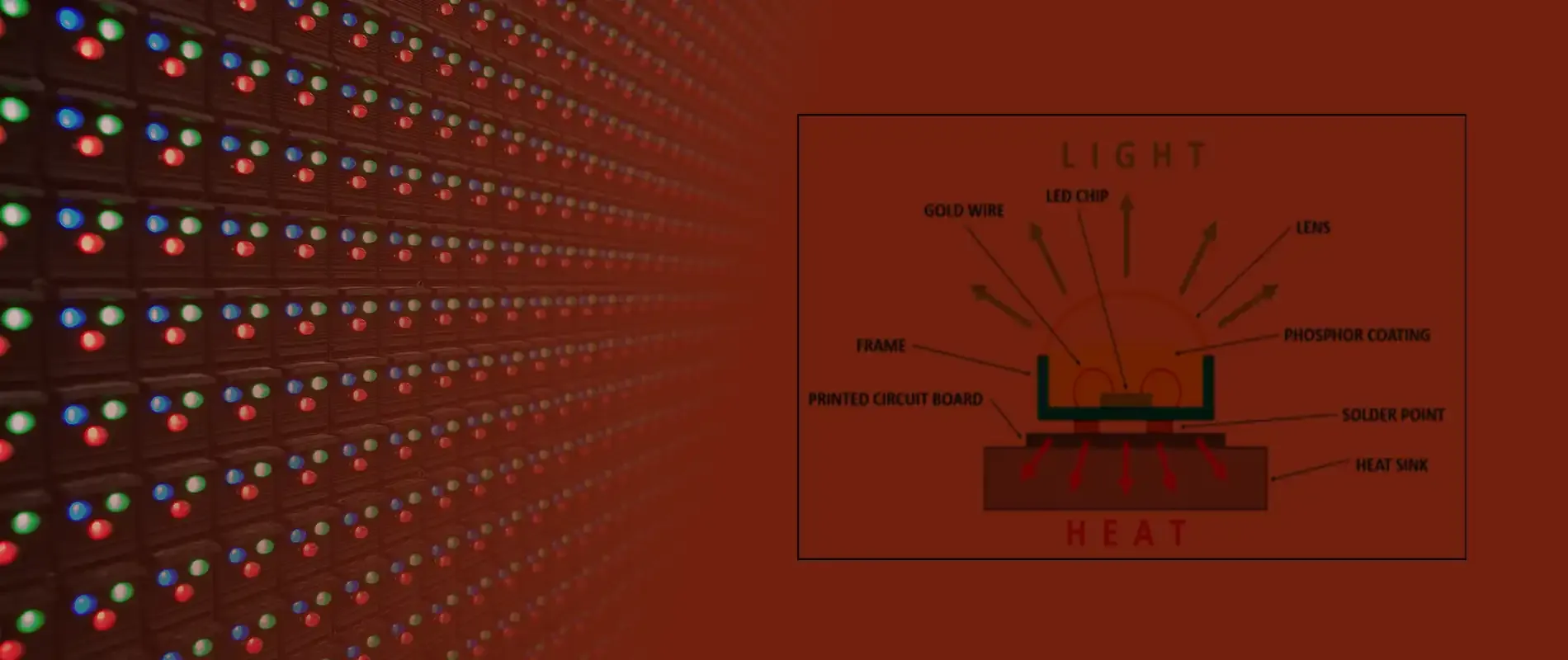
Inside the Ageing Chamber: Every Cabinet is tested
Inside the Ageing Chamber: Every ARECH LED cabinet runs an ageing-chamber burn-in cycle before pack-out.

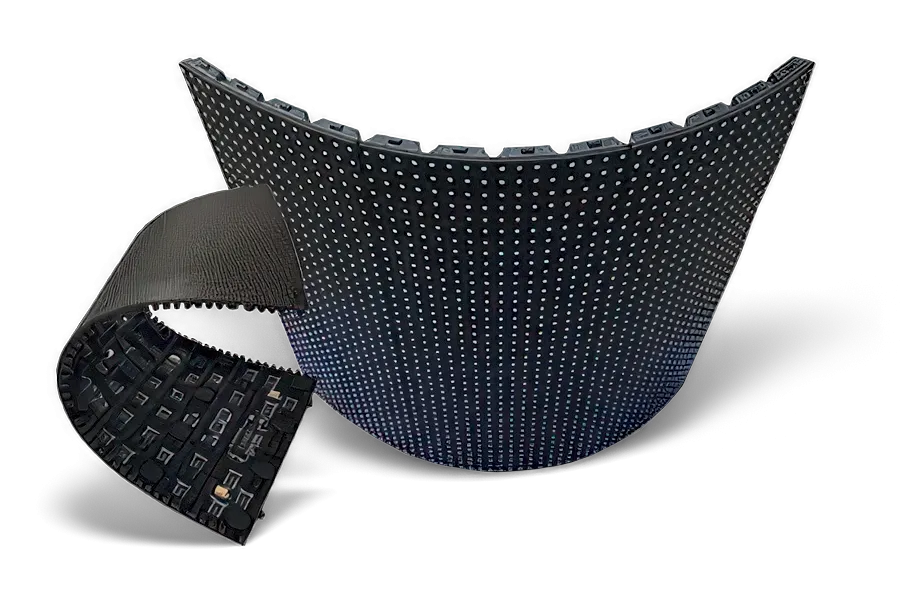
Curved and Flexible LED: How It Bends and Where It Fits
Curved and Flexible LED: How bend into columns, domes, and sculptural shapes, why magnetic mounting makes them serviceable, and why they…

What ARECH's LED Display Certifications Mean: CE, FCC, RoHS, ISO 9001, LVD
What ARECH's LED Display Certifications Mean: CE, FCC, RoHS, and ISO 9001, LVD certification each cover on an LED display, why the…

Indoor vs Outdoor LED Displays: How to Choose the Right One
Indoor vs Outdoor LED Displays: differ in brightness, weatherproofing, pixel pitch, and cabinet build. Here is how to tell which one your…

Pixel Pitch Explained: Matching an LED Display to Viewing Distance
Pixel Pitch Explained - What pixel pitch means, how it sets minimum viewing distance, and how to pick the right LED display pitch for…

Inside the ARECH Factory: One Line, Five Product Families
Inside the ARECH Factory: We builds indoor, outdoor, flexible, HD wall, and rental LED displays on one integrated line — SMT, CNC cabinets…

Quality testing pipeline for ARECH Screen Passes Before It Ships
Quality testing pipeline - The full QA chain every ARECH LED screen goes through before shipping — from component checks to ageing tests…

LED Display Certification: How ARECH Earns and Keeps LVD and EMC from Intertek
LED Display Certification: How ARECH Earns and Keeps LVD and EMC from Intertek

After the Install: How ARECH Backs Every Screen
After the Install: How ARECH's after-sales support works in practice: spare parts on hand, remote diagnostics, a 24/7 priority line…

Planning a Fixed Indoor LED Install: Lobbies, Retail
Planning a Fixed Indoor LED Install: How to plan a LED display install — pitch, brightness, mounting, front-service access, and handover…

LED Poster and Stand Displays for Retail and Events
LED Poster and Stand Displays: portability, plug-and-play setup, outdoor durability, and multi-display video walls — how they compare to…

Custom-Shaped LED: When a Standard Cabinet Will Not Fit
Custom-Shaped: How bespoke LED cabinets are specified, designed, and built for non-standard sizes, irregular shapes, and corner pieces —…

Transparent LED: See-Through Displays for Storefront Glass
Transparent LED: How transparent window LED screens mount behind glass, what pixel pitch options are available, and the trade-offs between…

Immersive and XR LED: Wrap-Around Walls, 3D and Virtual Production
Immersive and XR LED — curved wraps, 270° ceilings, 7680Hz+ refresh for virtual production — and where XR LED fits film, brand, and…
Choosing an Outdoor LED Display: Brightness, IP Rating and Front Maintenance
How to spec an outdoor LED display: pixel pitch vs. viewing distance (P2.5–P30), brightness up to 10000 nits, IP65/66/67 ratings…
COB vs SMD LED: What the Packaging Type Actually Changes
SMD, COB, and GOB explained plainly: how each LED packaging type affects fine pitch, knock-resistance, viewing angle, moire, and whether it…
Creative Flexible LED: Curved, Circular and Sculptural Shapes That Hold Up
How flexible LED panels wrap columns, form spheres and domes, and how GOB/COB surface protection keeps soft modules durable in demanding…
Rental and Staging LED: What Makes a Touring Screen Survive the Road
What separates a real rental LED screen from a fixed-install panel — cabinet weight, quick-lock assembly, front-serviceable modules…
Fine-Pitch HD Walls: Choosing P0.9–P1.5 for Control Rooms, Studios and Boardrooms
How to spec a fine-pitch LED HD wall for control rooms, broadcast studios and boardrooms — pixel pitch, cabinet sizes, zero-seam…
No articles match these filters
Try a different search term or clear one of the active categories.